Source Rear Adjustable Truck Cabin Airbag for Heavy Haulers
Find and compare 30 listings for the rear adjustable truck cabin airbag designed for heavy-duty trailers and trucks. Evaluate options based on material, customization, and origin to find the right fit for your fleet maintenance needs; compare the available evidence and request quotations based on your requirements.
Key considerations
Products List

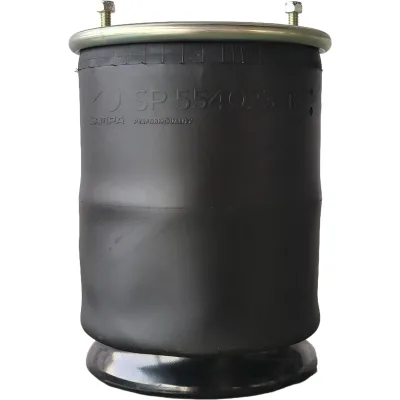


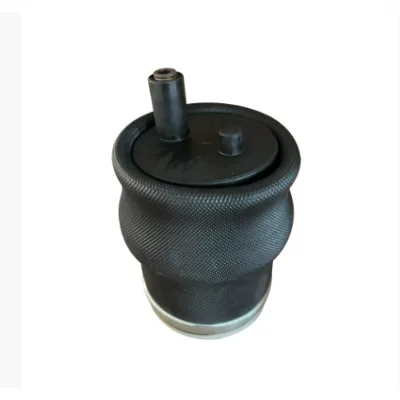


Comprehensive Sourcing Guide
Rear Adjustable Truck Cabin Airbag Sourcing Guide
Procuring rear adjustable truck cabin airbags requires a nuanced understanding of suspension dynamics and cabin comfort engineering. These components serve as critical interfaces between the vehicle chassis and the driver’s environment, absorbing road vibrations and impacts to ensure operator safety and fatigue reduction. Buyers must recognize that "adjustable" functionality often implies pneumatic or mechanical tuning capabilities, allowing for load-dependent height or firmness modifications. This adaptability is essential for heavy-duty transport where cargo weights vary significantly, necessitating precise calibration to maintain optimal ride quality and vehicle stability.
The sourcing landscape for these specialized parts is fragmented, with manufacturers often producing universal adaptations or model-specific units. Observations from current market listings indicate a wide range of product types, from general seats to dedicated air spring systems, complicating the initial selection process. Procurement teams must carefully distinguish between cabin suspension airbags and other pneumatic components like seat cushions or trailer axles. Misidentification can lead to compatibility issues, making it imperative to verify the exact application context before initiating any purchase orders or engaging with potential suppliers.
Product Scope and Observed Listing Signals
Market analysis reveals a diverse array of products labeled under broad automotive categories, including general seats, airbag springs, and trailer truck components. Listings frequently highlight customization options, with materials ranging from PU and leather to imported natural rubber, suggesting varied end-uses beyond simple suspension support. Some entries specify "universal adaptation," indicating a broad compatibility strategy, while others target specific brands like Sinotruk or HOWO, pointing to a segmented market approach. Buyers should note that terms like "Sampa airbag" or "air spring" may refer to entirely different functional parts, requiring careful scrutiny of the product description to avoid procurement errors.
The observed data shows significant variability in minimum order quantities (MOQ) and packaging standards, reflecting the mixed nature of the supplier base. While some suppliers offer an MOQ of just one piece, others require bulk purchases of two hundred units, which impacts inventory management and cash flow planning. Packaging details vary from standard cartons to custom requests, and dimensions such as 85x75x60cm suggest substantial shipping volumes for certain items. These logistical signals help buyers assess supplier scale and flexibility, but they also underscore the need for clear communication regarding shipping costs and handling requirements to prevent unexpected expenses during the import process.
Technical Specifications to Verify
Technical verification must begin with precise model matching, as compatibility is often tied to specific vehicle architectures rather than generic descriptions. Buyers should cross-reference OE numbers, such as 21338449, with their fleet’s maintenance records to ensure exact fitment. The presence of adjustable features requires confirmation of the adjustment type, whether it is manual, pneumatic, or electronically controlled, as this dictates the installation complexity and maintenance needs. Additionally, verifying the operating temperature range, typically cited between -40°C and +70°C, is crucial for trucks operating in extreme climates to prevent material degradation or failure.
Material composition and structural integrity are equally critical factors in the evaluation process. Suppliers may claim the use of imported natural rubber or high-quality leather, but buyers must request material safety data sheets or technical datasheets to validate these assertions. For air suspension components, the damping force and resistance values, such as the observed range of 1000-2300 N, provide insight into the component’s load-bearing capacity. It is essential to confirm whether the product is designed for front or rear positions, as misapplication can lead to severe handling issues. Always prioritize suppliers who provide detailed engineering drawings or dimensioned specifications over those relying solely on marketing terminology.
Compliance and Safety Documentation
Safety compliance is non-negotiable for automotive suspension components, as failures can lead to catastrophic accidents. Buyers must ensure that suppliers provide evidence of adherence to relevant international standards, such as ISO 10791 for rubber hoses, although specific certification status should be verified directly with the manufacturer. Documentation should include proof of quality management systems and any third-party testing results that validate the component’s durability under stress. Without these documents, the risk of procuring substandard parts increases significantly, potentially voiding vehicle warranties and exposing the company to liability in the event of an incident.
Warranty terms and after-sales support are key indicators of supplier confidence in their product quality. A standard two-year warranty, as observed in some listings, offers a baseline level of protection, but buyers should negotiate terms that cover both material defects and premature failure. It is also important to clarify the return policy for defective units and the availability of replacement parts. Suppliers who offer comprehensive technical support and clear troubleshooting guides demonstrate a commitment to long-term customer satisfaction. Buyers should avoid suppliers who provide vague warranty conditions or refuse to share detailed compliance certificates, as this often signals a lack of regulatory adherence.
Cost Drivers and Commercial Terms
Cost structures for rear adjustable truck cabin airbags are influenced by material quality, customization levels, and order volume. The observed price range of 1-272 USD reflects this variability, with lower prices often corresponding to basic, non-customized units and higher prices for specialized, high-performance components. Buyers should analyze the total cost of ownership, including shipping, tariffs, and potential installation costs, rather than focusing solely on the unit price. Customization options, such as specific branding or packaging, may incur additional fees, so it is important to clarify all potential charges upfront to avoid budget overruns.
Commercial terms, including payment methods and lead times, play a significant role in the procurement strategy. Suppliers may offer flexible payment terms for repeat customers, but new buyers should expect standard conditions such as advance payment or letters of credit. Lead times can vary based on production capacity and inventory levels, so it is advisable to establish clear delivery schedules in the contract. Transportation modes, whether air or ship, will also impact costs and delivery speed, with sea freight being more economical for bulk orders. Buyers should negotiate these terms carefully to align with their operational needs and financial planning.
Supplier Qualification and Quality Control
Supplier qualification involves a thorough assessment of manufacturing capabilities and quality control processes. Buyers should verify the supplier’s location, such as Shandong, China, or Turkey, as this can impact logistics and regulatory compliance. Requesting factory audits or third-party inspection reports provides valuable insights into production standards and consistency. Suppliers who invest in advanced manufacturing technologies and rigorous testing protocols are more likely to deliver high-quality products that meet strict automotive industry requirements. This due diligence helps mitigate the risk of receiving defective or inconsistent batches.
Quality control measures should be explicitly defined in the purchase agreement, including acceptance criteria and sampling plans. Buyers should specify the required inspection methods, such as visual checks, dimensional measurements, and performance tests, to ensure the products meet their specifications. Establishing a clear process for handling non-conforming goods is also essential, including procedures for returns, replacements, and compensation. Regular communication with the supplier regarding quality issues and continuous improvement initiatives fosters a collaborative relationship that benefits both parties. Prioritizing suppliers with robust quality management systems ensures long-term reliability and reduces the likelihood of supply chain disruptions.
Long-Term Procurement Checks
Long-term procurement success depends on continuous monitoring of supplier performance and market trends. Buyers should establish key performance indicators (KPIs) to track delivery reliability, product quality, and responsiveness to issues. Regular reviews of these metrics help identify potential problems early and allow for corrective actions before they escalate. Additionally, staying informed about industry developments, such as new suspension technologies or regulatory changes, enables buyers to make proactive adjustments to their sourcing strategies. This forward-looking approach ensures that the procurement function remains aligned with the company’s operational goals and competitive position.
Building a diversified supplier base is a critical risk mitigation strategy, reducing dependence on single sources and enhancing supply chain resilience. Buyers should periodically evaluate alternative suppliers to ensure they remain competitive in terms of price, quality, and service. Maintaining strong relationships with multiple qualified suppliers provides flexibility in negotiating terms and securing supply during peak demand periods. Furthermore, engaging in strategic partnerships with key suppliers can lead to collaborative innovation and cost-saving opportunities. By focusing on long-term value creation rather than short-term price reductions, buyers can build a sustainable and efficient procurement ecosystem for rear adjustable truck cabin airbags.
FAQs
What is the warranty period for the Sampa airbag?
The Sampa airbag comes with a 2-year warranty period. This coverage applies to the product as a new item made from imported natural rubber and PU materials. Buyers should verify specific terms with the supplier to ensure full protection during the warranty duration.
Can the airbag be customized for specific truck models?
Yes, the airbag offers customizable options for color and general seat type. It supports OEM acceptance and is designed for universal adaptation to trailer trucks. Customers can request specific packing solutions like cartons or custom requests to meet their unique operational needs.
What is the minimum order quantity for this product?
The minimum order quantity varies between 1 piece and 200 pieces depending on the specific listing. Some options allow single item purchases while others require a batch of 200 pieces. Buyers should check the specific product details to confirm the exact MOQ before placing an order.
Where is the product manufactured and what is the origin?
The product originates from China, specifically from Shandong Province and Jinan. Some listings also indicate Turkey as a place of origin. The goods are typically packed in cartons and transported via air or ship to ensure safe delivery to international buyers.
What materials are used to construct the airbag?
The airbag is constructed using imported natural rubber and PU materials. Some variants feature leather with A Class leatheriness for enhanced durability. These high-quality materials ensure the product meets the standard of being a new, high-quality replacement part for truck cabins.
How does the airbag handle different operating temperatures?
The airbag is designed to operate effectively within a temperature range of -40°C to +70°C. This wide operational range ensures reliability in various climates. The product maintains its damping force and structural integrity across these extreme conditions for consistent performance.
Is the product suitable for replacing original truck parts?
Yes, the product serves as an original replacement for truck cabin airbags. It is compatible with models like HOWO and features OE encoding 21338449. The design ensures a direct fit for repair and replacement purposes in trailer trucks without requiring major modifications.